Dynamic Pricing for Hotels: What It Is and Why It Can Transform Your Profitability
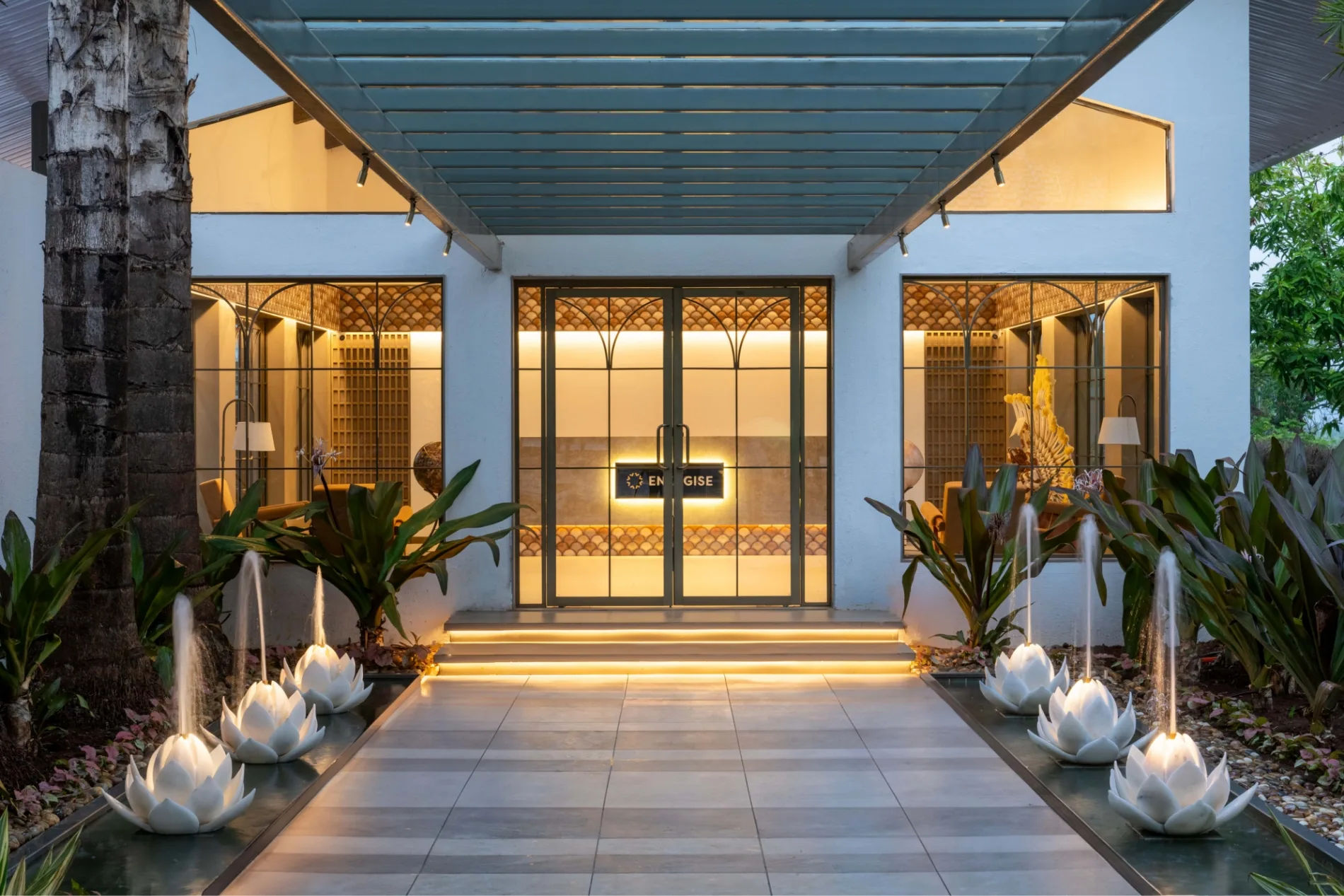
Imagine this: It's a Saturday night, and your hotel is almost full and now you only have five rooms left. You look across the street and the big chain hotel is completely booked. But your rooms are still priced as they were on Tuesday when business was not booming.
That's what we would call ‘Money left on table'.
Now imagine if those rooms that are empty suddenly get a price hike. Imagine if your rates adjusted based on what competitors were charging, the weather forecast, local events, and booking patterns. You will definitely be making a lot more revenue than your competitor.
This is dynamic pricing. And for many hotels, that is the difference between surviving and thriving.
What Is Dynamic Pricing?
Dynamic pricing is quite a simple idea: changing the room rates based on what is the current situation. Instead of constantly charging the same price, it is necessary to understand when the demand is high, the rate needs to be higher and when demand is low, rates need to go down.
Just think about air tickets. A flight in December costs more than the same flight in January. That's dynamic pricing. The same goes with hotels, according to demand, there is a need to adjust the pricing.
With dynamic pricing, your rates change according to many things. Just to explain a few, the day of the week, the season, how many rooms you have left, what competitors are charging, upcoming events, weather, and booking patterns. A room that might cost you around 4,500 rs might cost you 8,000 rs during peak seasons when the demand is high.
The goal is simple: make more money by charging the right price at the right time.
Real-Time Rate Optimization Explained

Real-time rate optimization means depending on what is happening on that specific day, the rate might change once or even multiple times per day.
Here's how it works: Hotels usually have a Software called PMS also known as Property management system which constantly watches your hotel's bookings, competitor prices, and other important information. If demand is climbing, prices go up. If rooms aren't booking well, prices go down. If a big event is coming to town, prices jump. If the weather forecast shows rain all weekend, prices might drop.
Using the software, you don't have to change prices manually. The system will do it for you. This is powerful because it means you're always charging the best price, even if you're busy running the hotel.
Real-time rate optimization is very useful because hotel demand keeps on changing. One day it might be slow, and the next day there's a big event taking place in town. Old pricing methods can't adapt that fast in comparison to the newer real-time systems.
Understanding Demand Forecasting for Hotels
Demand forecasting means predicting how many people will want hotel rooms in the future. It's like looking into a crystal ball, except instead of looking at an astrology forecast to look into your future life, you're using data to understand the future demands.
Demand forecasting looks at different sorts of patterns. What happened last year during this time? Do weekends always book better? Are there holidays coming? Is there a sports event happening? Will the weather bring tourists or keep them away?
By understanding such demands, you can price smarter and work better. You know a busy Saturday is coming, so you raise your prices now to take advantage of the upcoming Saturday. You know Tuesday is always slow, so you lower prices to attract travelers looking for low budget travels.
Good demand forecasting helps you in ways one can’t imagine. You can prepare staff for busy times. Slow periods can be your maintenance time. You can make sure you have the right number of rooms at the right price.
Revenue Management Strategies That Work
Revenue management is about making the most money possible from your hotel. It's not just about pricing. It includes everything about how you run your hotel.
- Focus on occupancy and rate together: Many hotels focus only on keeping rooms full. But it's better to make more money per room than to just fill every room. If you have 80 rooms booked at $150, you make more than 100 rooms booked at $100. The goal is making the most total money.
- Sell longer stays at lower rates: Sometimes it makes sense to offer a discount if someone stays three nights instead of one night. The room generates money for three nights, and you don't have to clean it as often or market it again right away.
- Use room types smartly: Not all rooms are the same. A room with an ocean view is worth more than a room looking at the parking lot. Price them differently. Offer the cheaper rooms first. Save the best rooms for guests who are willing to pay more.
- Create special offers: Sometimes offering a package (room plus breakfast, for example) helps you fill rooms and make more money than just selling the room alone.
- Watch the calendar: Know which days are busy and which are slow. Price accordingly. Don't give away rooms the night before a big event. But be ready to drop prices if things look slow.
Competitive Pricing Analysis for Hotels
Hotels in your area are your biggest competition. What they charge affects what you can charge. Competitive pricing analysis means watching what competitors charge and adjusting your prices based on that information.
Here's an example of what can be done: If the hotel down the street charges $120 for a similar room, you probably shouldn't charge $200. Guests will just book there instead. But if you charge $110 and offer something extra, you might win their business.
Good competitive pricing analysis involves:
- Know your competitors: Identify which hotels you actually compete with. A luxury resort doesn't compete with a budget motel. You must always focus on competing with hotels similar to yours in terms of popularity and offers.
- Track their prices: Check what competitors charge regularly. Many software tools do this automatically, watching competitor websites and updating you on price changes.
- Understand your advantages: What makes your hotel different? Better location? Nicer rooms? Better service? If you have advantages, you can charge a bit more. If you're similar to competitors, you need similar pricing. Maybe a bit of an offering will help you on your way as well.
- Respond smartly: If a competitor drops prices, don't automatically match them. Sometimes it's better to emphasize what makes you different. Sometimes you do need to adjust. Think before you react.
- Don't compete only on price: The best strategy isn't always to be the cheapest. Sometimes being the best value is better. Offering great service, nice rooms, or unique experiences can let you charge more.
How Dynamic Pricing Transforms Profitability

When you start using dynamic pricing, several good things happen:
- You make more money: This is the biggest benefit. By charging more when demand is high, you capture extra revenue. Even a small price increase during busy times adds up quickly. If you increase prices by just $10 on busy nights and you have 50 rooms, that's $500 more per night. That's $15,000 more per month if there are 30 busy nights.
- You fill more rooms: Lower prices on slow days attract more guests. Instead of having empty rooms, you fill them. Even at a lower price, revenue from a full room is better than revenue from an empty room.
- You reduce empty rooms: Dynamic pricing helps eliminate the problem of having too many empty rooms. By adjusting prices, you find the right price point where rooms sell.
- You stay competitive: By watching what competitors charge and adjusting automatically, you stay in the game. You're not underpricing or overpricing by accident.
- You work less hard: Software does the work of changing prices. You don't have to think about it constantly. You just set up the system and it works for you.
- You make better decisions: Pricing data shows you what works and what doesn't. You learn what price points attract guests. You learn when demand is high. This information helps you make smarter business choices.
Getting Started with Dynamic Pricing
- Start simple: You don't need a complicated system. Begin by changing prices based on day of the week and season. Raise prices for weekends and lower them for weekdays. Higher prices in summer, lower in winter.
- Use software tools: Many programs help with dynamic pricing. Some are built for hotels. They watch your bookings and competitor prices automatically. Some are expensive, some are affordable. Pick one that fits your hotel size and budget.
- Test and watch: Don't change everything at once. Try dynamic pricing for one month. Watch what happens. Do you make more money? Do more rooms book? Learn from the results.
- Train your team: Make sure your staff understands why prices change. Guests might ask why a room costs different prices. Your team needs to explain it's about demand and availability, just like airlines do.
- Be fair to guests: Don't confuse guests or make them feel cheated. Explain your pricing clearly. Some guests will always want to negotiate. Be ready for that.
The Bottom Line
Hotels used to charge the same price every day. Today, that's leaving money on the table.
Dynamic pricing changes everything. It's about being smart with your prices, understanding what guests want, and adjusting automatically to make the most money.
Real-time rate optimization means prices adjust automatically. Demand forecasting tells you when busy times are coming. Revenue management strategies help you make money in smart ways. Competitive pricing analysis keeps you competitive.
Together, these tools transform how you run your hotel. You'll fill more rooms, make more money, and work less hard doing it.
The hotels that are winning today understand this. They're using dynamic pricing. They're adjusting prices based on demand. They're making more money than their competitors.
If you're not using dynamic pricing yet, now is the time to start. Your profitability depends on it.