Hotel Revenue Management: The Complete Guide to Maximising Profit in 2026
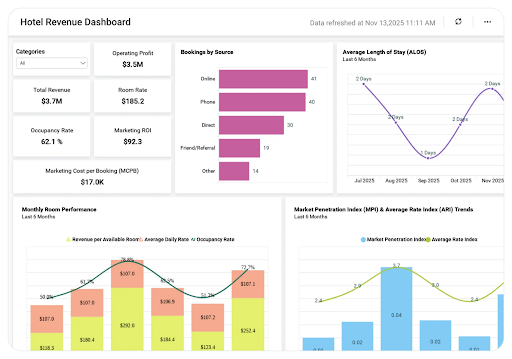
Running a hotel without a solid revenue management strategy is like flying blind. You might fill rooms — but are you filling them at the right price, at the right time, through the right channel?
Hotel revenue management is the discipline that answers all three questions simultaneously, and the hotels that get it right consistently outperform their competitors on profit margins, not just occupancy.
Whether you're managing a boutique property or a large chain, this guide breaks down exactly how the process works, what tools you need, and how to start generating more revenue from the rooms you already have.
What Is Hotel Revenue Management?
At its core, hotel revenue management is the practice of selling the right room to the right guest at the right price through the right channel — at exactly the right time. It's a data-driven approach that combines forecasting, pricing strategy, distribution management, and competitive intelligence to maximise the revenue each available room generates.
The metric most revenue managers live by is RevPAR (Revenue Per Available Room). It's calculated by multiplying your occupancy rate by your Average Daily Rate (ADR), and it's the clearest single indicator of how well your property is balancing price and demand.
The discipline evolved from the airline industry in the 1980s when carriers began using dynamic pricing to fill seats. Hotels adopted similar principles, and today, with the rise of online booking platforms and sophisticated property management systems, hotel revenue management has become one of the most powerful levers available to hoteliers.
Step 1: Competitive Analysis — Know Your Market Before You Price
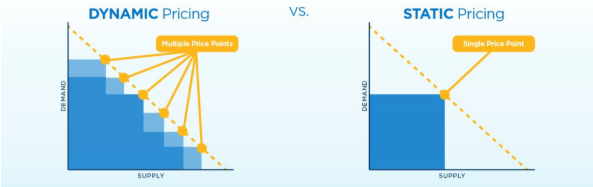
Before you can set a single rate, you need to understand the competitive landscape you're operating in. This means going beyond a quick look at what the hotel down the street is charging tonight. A meaningful competitive analysis covers:
- Rate parity and rate positioning: Are your rates consistently above, below, or in line with comparable properties? This should be a deliberate choice, not an accident.
- Amenity and service comparison: If a competitor charges ₹2,000 more per night but includes breakfast, airport transfers, and a spa, their effective rate advantage may be smaller than it appears.
- Review scores and sentiment: Guest reviews on platforms like TripAdvisor and Booking.com are public, real-time data. A property rated 8.9 can command a meaningful premium over one rated 7.8.
- Demand drivers in your micro-market: Local events, new properties opening, and business travel patterns all affect your competitive set differently.
Tools like OTA Insight, RateGain, or even a well-structured rate shopper give you the rate intelligence to make confident pricing decisions rather than guessing. The goal isn't to always match or undercut the competition — it's to understand your positioning clearly enough that your pricing tells a story guests find compelling.
Step 2: Demand Forecasting — Anticipate Before You Optimise

You can't optimise revenue in the past. Everything depends on your ability to predict what demand will look like in the days, weeks, and months ahead. This is where demand forecasting becomes the foundation of every other revenue management decision.
Effective forecasting pulls from multiple data streams:
- Historical booking data is your starting point. Patterns from previous years — day-of-week trends, seasonal peaks, lead times — give you a baseline. If your property consistently runs 85% occupancy in the last two weeks of December, that should anchor your December pricing strategy now.
- Pick-up pace tells you how quickly a future date is filling up compared to the same point in time last year. If you're 30 days out from a Saturday and you already have 70% occupancy when you'd typically have 45% at this stage, that's a strong signal to push rates up.
- Forward-looking demand signals include local events calendars, corporate travel bookings, and group blocks. A major conference, a cricket international, or a music festival can swing your occupancy by 20–30 percentage points. Subscribing to Eventbrite alerts or local event feeds for your city gives you advance warning to adjust rates before the window closes.
- Macroeconomic and travel trend data from sources like STR Global and UNWTO give a broader market view that helps contextualise your property-level numbers.
The output of your forecasting process should be an occupancy projection for each date on a rolling 90-day window, updated at least weekly — ideally daily for the next 30 days.
Step 3: Pricing Strategy — Dynamic, Not Static
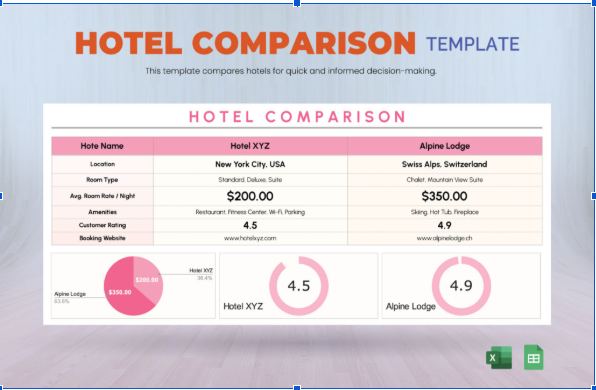
This is where most hotels either win or leave money on the table. A static rack rate strategy — setting one price and holding it regardless of demand — is the fastest path to underperforming your potential.
Dynamic pricing means your rates respond continuously to changing conditions. Here's how a practical pricing framework looks:
Rate Tiers and Fences
Most properties work with a tiered rate structure — from a lowest available rate to a premium rate — with specific conditions attached to each tier. Non-refundable rates are cheaper than flexible ones. Advance purchase rates reward early bookers. The art is in knowing when to open or close each tier based on current demand signals.
Demand-Based Rate Adjustments
When occupancy is tracking ahead of forecast, pull your lowest rates from availability and push the bar rate up. When you're behind pace, consider opening lower tiers, extending promotional windows, or adding value (free breakfast, late checkout) rather than simply dropping the rate.
Length of Stay Controls
Minimum length of stay (MLOS) restrictions are a powerful tool during high-demand periods. If Friday and Saturday are nearly full but Thursday and Sunday have availability, requiring a two- or three-night minimum for weekend bookings helps fill the shoulder nights without giving away peak nights cheaply.
Overbooking Strategy
Strategically managed overbooking — based on historical cancellation and no-show rates — ensures you're not losing revenue to last-minute gaps. This requires careful calibration and a clear walk policy, but executed well, it meaningfully increases net room revenue.
Tools like IDeaS Revenue Solutions or Duetto automate many of these adjustments using machine learning, but even a well-managed Excel-based approach beats a static rate strategy.
Step 4: Inventory and Channel Management — Sell Smart, Not Just More
Filling rooms is only half the equation. Where those bookings come from — and what they cost to acquire — has a direct impact on your net revenue. This is the domain of distribution management, and it's one of the most underappreciated pillars of hotel revenue management.
The Channel Mix
Your bookings come through multiple channels, each with a different cost structure:
| Channel | Typical Commission / Cost |
|---|---|
| Direct (website, phone) | 2–5% (payment processing only) |
| OTAs (Booking.com, Expedia) | 15–25% |
| Traditional travel agents | 8–12% |
| GDS (Global Distribution System) | 15–20% + per-booking fees |
Shifting even 10% of your bookings from OTAs to direct can have a significant impact on your net revenue margin. This makes investing in a strong direct booking engine — like Siteminder or Cloudbeds — and a genuine loyalty programme well worth the cost.
Rate Parity and Channel Conflicts
Most OTA contracts require rate parity — meaning you can't publicly offer lower rates on your own website than what appears on Booking.com or Expedia. However, you can offer exclusive perks (complimentary breakfast, room upgrades, flexible cancellation) for direct bookings that make your website the more attractive option even at the same rate.
Allotment vs. Last-Room Availability
For high-value channels and corporate accounts, managing allotments (pre-committed room blocks) versus open sell access is a constant balancing act. Closing allotment channels during high-demand periods while keeping premium channels open ensures your highest-margin bookings aren't displaced by discounted allotment inventory.
Step 5: Monitoring and Continuous Optimisation
Hotel revenue management is not a "set it and forget it" discipline. The market shifts constantly — a competitor drops rates unexpectedly, a large group cancels, a local event gets rescheduled. The properties that respond fastest capture the most revenue.
Daily Revenue Meetings
A 15-minute daily pickup review covering occupancy pace, rate position, and any significant booking pattern changes is the backbone of an active revenue management practice. Most modern property management systems generate this as a standard report.
Key Metrics to Track Daily
- Occupancy % vs. same time last year and vs. forecast
- ADR (Average Daily Rate) vs. competitive set
- RevPAR vs. budget and vs. STR comp set
- GOPPAR (Gross Operating Profit Per Available Room) — the most complete measure of overall financial health
- Channel mix — percentage of bookings by source
- Cancellation pace — a sudden increase in cancellations for a future date may require rate or restriction adjustments today
Using Technology Effectively
Modern revenue management systems (RMS) like IDeaS, Duetto, or Atomize can process far more data signals than any human analyst and push rate recommendations (or automatic updates) to your PMS and channel manager in real time. For properties doing the work manually, a disciplined spreadsheet-based approach with weekly data pulls from your PMS, OTA extranets, and STR comp set report can still be highly effective.
The Human Element: Why Data Alone Isn't Enough
Technology can surface patterns and make recommendations, but the best revenue managers add something algorithms can't fully replicate: context.
When a major employer in your city announces layoffs, your corporate room night forecast changes — but only a human who's tracking the news will catch that signal early. When a competitor is undergoing renovations and is effectively operating at half capacity, that creates a demand opportunity your historical data won't reflect yet.
The most effective hotel revenue management operations combine the speed and analytical power of modern RMS platforms with the market intuition and relationship intelligence that experienced revenue managers develop over time.
Common Mistakes That Cost Hotels Revenue
- Pricing based on cost, not value: Your room rate should reflect what guests are willing to pay, not just what it costs to operate. In high-demand periods, that ceiling is often much higher than operators realise.
- Ignoring the booking window: Different guest segments book at different lead times. Leisure travellers often book 30–90 days out; last-minute business travellers book within 7 days. A rate strategy that doesn't account for this dynamic will either leave money on the table or miss bookings entirely.
- Treating all channels equally: A booking from your own website at full rate is worth significantly more net revenue than the same booking from an OTA with a 20% commission. Your strategy should reflect that.
- Reacting instead of anticipating: By the time you notice a competitor has dropped rates, the damage may already be done. Daily monitoring and forward-looking analysis are what separate reactive managers from proactive ones.
Getting Started: A Practical Checklist
If you're building or refreshing your revenue management capability, start here:
- Set up a comp set of 4–6 comparable properties and monitor their rates daily
- Build a 90-day demand calendar that flags all local events, holidays, and high-demand periods
- Audit your channel mix — calculate the true net revenue per booking by channel
- Define your rate tiers and the conditions that trigger opening or closing each
- Establish a weekly revenue review cadence with your front office and sales teams
- Invest in a channel manager if you're not already using one to push rate changes across all channels simultaneously
Conclusion: Embracing Revenue Management as a Core Growth Engine
Hotel revenue management is not a luxury reserved for large chains with dedicated analytics teams. The principles — understand your market, forecast demand, price dynamically, manage distribution, and monitor constantly — apply to every property, regardless of size.
The hotels that take this seriously don't just earn more per room. They build a sustainable competitive advantage that's genuinely hard to replicate, because it compounds over time as your data set grows, your forecasting improves, and your team develops sharper market instincts.
Start with the basics, stay consistent, and the revenue gains will follow.